Ultimate Guide to Choosing the Right Switching Power Supply
What is a Switching Power Supply?
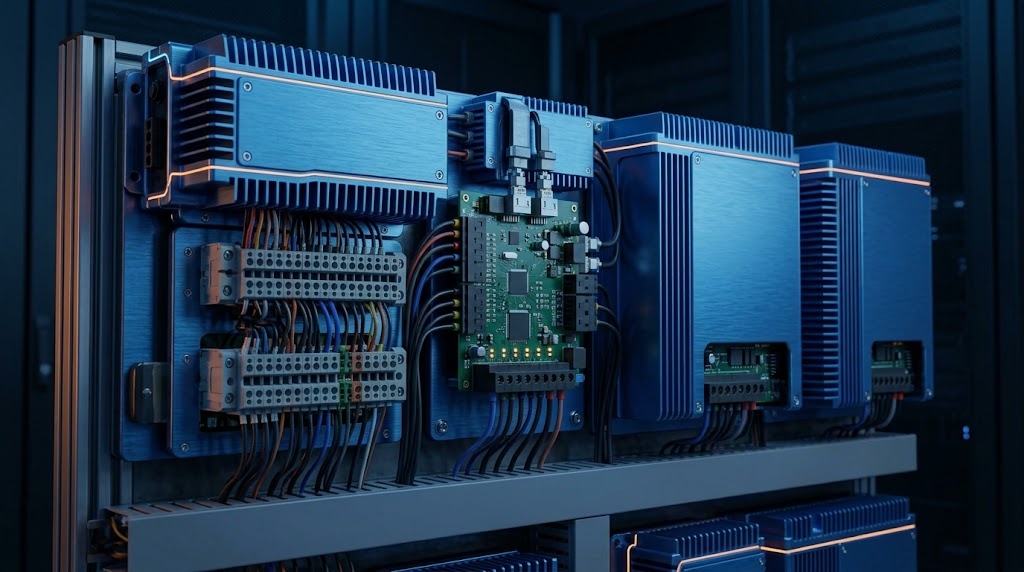
A switching power supply (SMPS) uses electronic switching devices like MOSFETs to turn power on and off at high frequencies, regulating the output voltage efficiently. Compared to traditional linear power supplies, SMPS units offer higher efficiency, smaller physical footprints, and lighter weights. Discovering professional-grade choices on Sanpu Power will give you a clear baseline for industrial hardware standards.
Key Parameters to Consider When Buying
Voltage and Current Ratings
Always match the output voltage to your device requirements (e.g., 12V, 24V, 48V). Calculate the maximum total current draw of all connected peripherals and add a 20% to 30% safety margin.
Power Output and Derating
Power is measured in Watts (W). Keep in mind that operating units in high-ambient-temperature environments requires power derating, meaning you must select a higher wattage unit than your baseline calculation.
Understanding Form Factors and Mounting Types
Depending on your cabinet design, you may require:
-
Enclosed panel-mount units.
-
DIN rail-mounted units for control cabinets.
-
Open-frame boards for embedded OEM equipment.
-
Specialized profile options such as a compact slim power supply for tight spaces.
Efficiency Ratings and Certification Standards (CE, UL)
High efficiency (above 85%) reduces waste heat. Ensure the power supply carries recognized safety certifications such as CE, RoHS, and UL to guarantee compliance with regional electrical codes.
Environmental Considerations: Temperature and Humidity
Industrial environments can be harsh. Verify the operating temperature range (e.g., -20°C to +70°C) and check for conformal coating options if exposure to moisture or dust is expected.
Matching Power Supplies to Specific Loads
Different loads behave uniquely:
-
Resistive Loads: Heaters and incandescent lamps require straightforward current matching.
-
Inductive Loads: Motors and solenoids generate back-EMF and inrush currents, requiring supplies with robust overload headroom.
Top Mistakes to Avoid During Selection
-
Failing to account for peak startup currents.
-
Ignoring thermal derating curves.
-
Choosing uncertified generic units that compromise safety.
Conclusion and Expert Recommendations
Selecting the correct switching power supply ensures long-term system stability and reduces maintenance headaches. For reliable engineering solutions, browse the comprehensive specifications available at Sanpu Power Supply.