Thermal Management and Mounting Considerations for High-Density Indoor Power Supplies
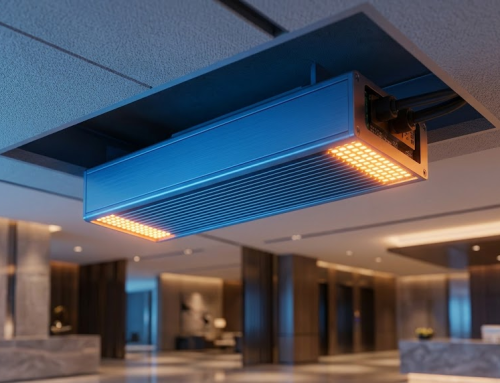
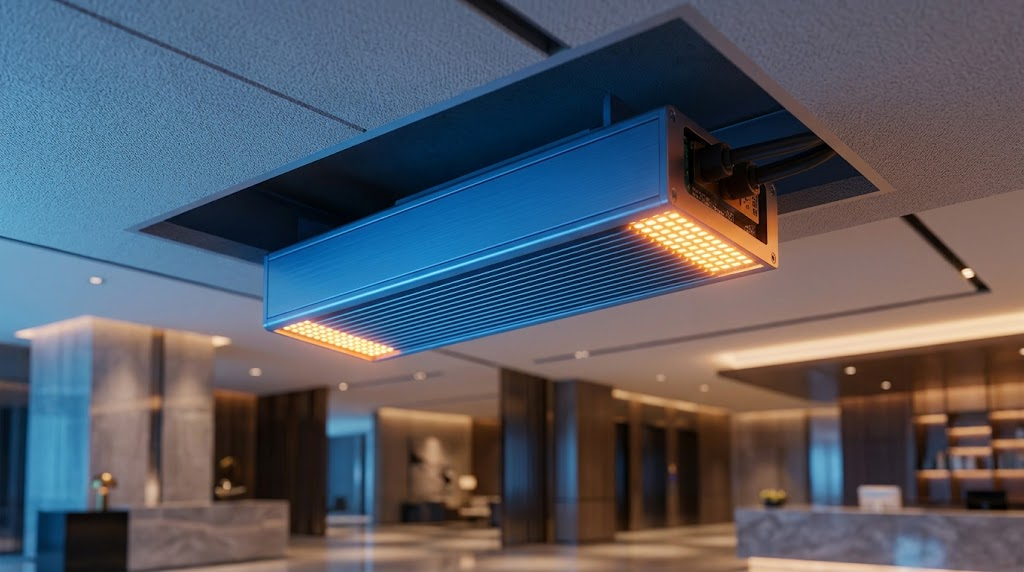
Architectural LED installations, commercial linear cove lighting, and high-resolution indoor display panels require low-profile, high-efficiency power units that fit inside narrow mounting channels. Because these indoor installations are often located in sound-sensitive environments like corporate offices, luxury hotels, and retail galleries, active cooling fans are strictly unacceptable due to acoustic noise and mechanical failure risks.
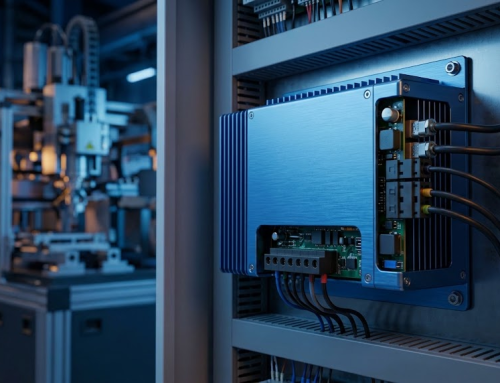
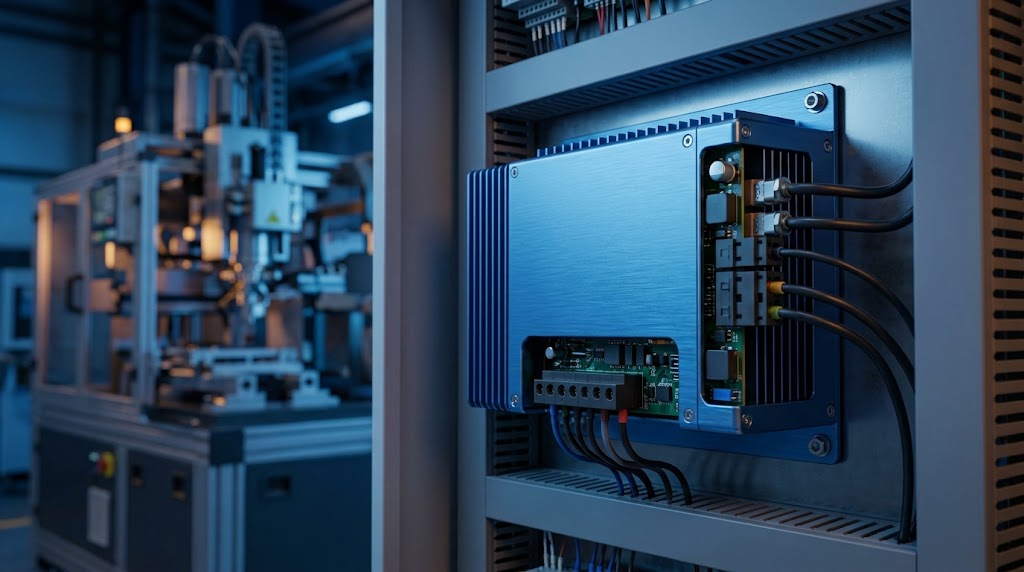
Operating fanless power units in restricted indoor spaces shifts the full burden of heat dissipation onto conduction and natural convection. In an IP20-rated indoor driver, heat generated by primary switching transistors, power transformers, and secondary rectifiers must migrate through the printed circuit board (PCB) to the external metal casing. If the thermal path is poorly engineered, heat accumulates inside the driver housing, drastically shortening the operational lifespan of internal electrolytic capacitors—where every $10^\circ\text{C}$ rise in operating temperature cuts capacitor life expectancy in half.
To optimize thermal performance in fanless installations, mounting orientation plays a critical role. Power supplies mounted horizontally on thermal conduction plates transfer heat far more effectively than units suspended vertically in trapped air pockets. Additionally, designers should maintain a minimum physical clearance of 20mm to 30mm around perforated casing walls to allow unimpeded natural convective air currents.
Specifying a high-efficiency indoor power supply equipped with an ultra-slim aluminum chassis, high thermal conductivity potted interfaces, and active power factor correction (PFC $>0.95$) ensures stable DC voltage output, zero audible coil whine, and extended luminaire lifespan across demanding commercial interior projects.